
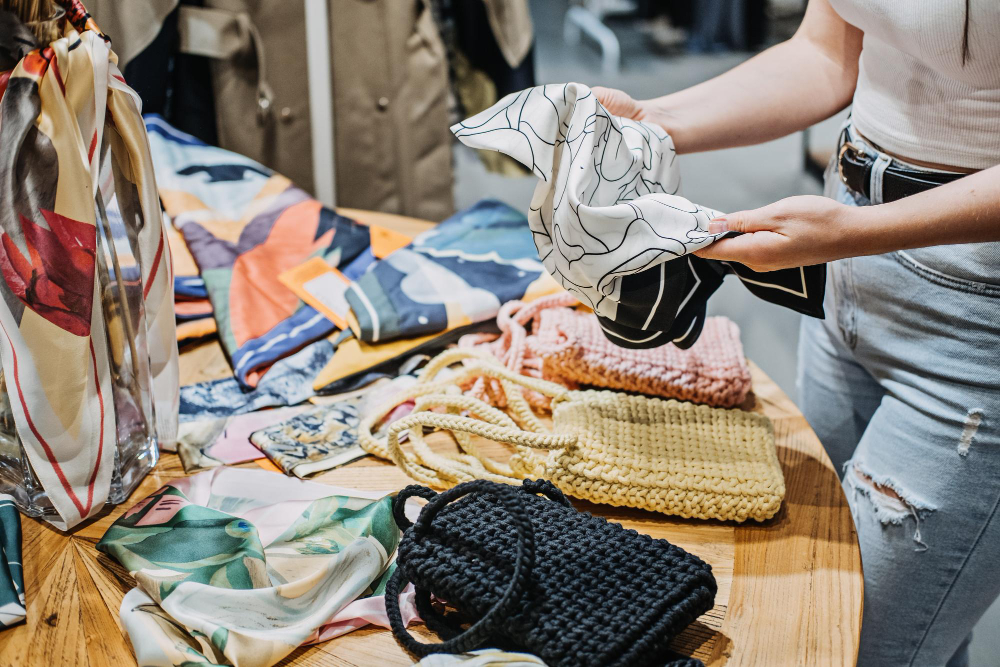
Sustainable fashion has become more than just a trend; it’s a conscious choice that supports ethical practices, environmental stewardship, and long-term quality. However, buying sustainable fashion requires more than just picking items labeled as “eco-friendly” or “green.” To truly get value for money, several factors should be considered.
Firstly, understanding the materials used is crucial. Sustainable fashion often revolves around eco-friendly fabrics like organic cotton, Tencel (lyocell), hemp, or recycled materials. Organic cotton, for instance, is grown without harmful pesticides and requires less water than conventional cotton, making it an excellent choice for both the environment and your skin. Tencel, made from sustainably sourced wood pulp, is known for its softness and biodegradability. On the other hand, recycled polyester, while not biodegradable, repurposes existing plastic waste, reducing the demand for new raw materials. Evaluating the material composition helps ensure that the clothing is not only eco-friendly but also durable and comfortable, offering better long-term value.
Equally important is the transparency of the brand. Brands committed to sustainability should provide clear information about their supply chain, production practices, and the environmental impact of their products. Look for certifications such as Global Organic Textile Standard (GOTS), Fair Trade, or the OEKO-TEX Standard 100, which verify that the products meet certain ethical and environmental standards. Furthermore, brands that disclose the working conditions of their factory workers, including fair wages and safe environments, demonstrate a commitment to social responsibility. This transparency not only builds trust but also ensures that your purchase supports ethical practices.
The quality and durability of the clothing are also key considerations. Sustainable fashion often comes with a higher price tag, but this should be viewed as an investment. High-quality, durable garments last longer and reduce the need for frequent replacements, which ultimately saves money over time. Check the construction of the clothing, including seams, stitching, and finishing details. Well-made items are less likely to fall apart after a few wears and washes. Moreover, classic designs and versatile pieces that can be styled in multiple ways are more likely to remain in your wardrobe for years, offering greater value for money.
Moreover, consider the brand’s commitment to reducing waste. Some sustainable fashion brands offer take-back programs, where customers can return old clothing for recycling or upcycling. Others may produce clothing in small batches or on-demand to minimize overproduction and waste. This attention to waste reduction not only reflects the brand’s dedication to sustainability but also aligns with a more conscious consumer mindset.
Finally, consumer reviews and third-party ratings can offer valuable insights into the actual performance and longevity of the products. Reviews from other buyers can provide real-world feedback on how the clothing holds up after washing and wearing, whether the sizing is accurate, and if the items are truly comfortable and functional. Third-party ratings, such as those from Good On You or the Ethical Fashion Report, offer assessments of how well brands adhere to ethical and environmental standards.
In conclusion, getting value for money when buying sustainable fashion requires a thoughtful approach. By focusing on eco-friendly materials, brand transparency, quality and durability, waste reduction efforts, and consumer feedback, one can make informed decisions that not only benefit the planet but also ensure a wise investment in a wardrobe that lasts. Sustainable fashion is about making choices that are good for both you and the environment, providing satisfaction and value that go beyond the initial purchase.