
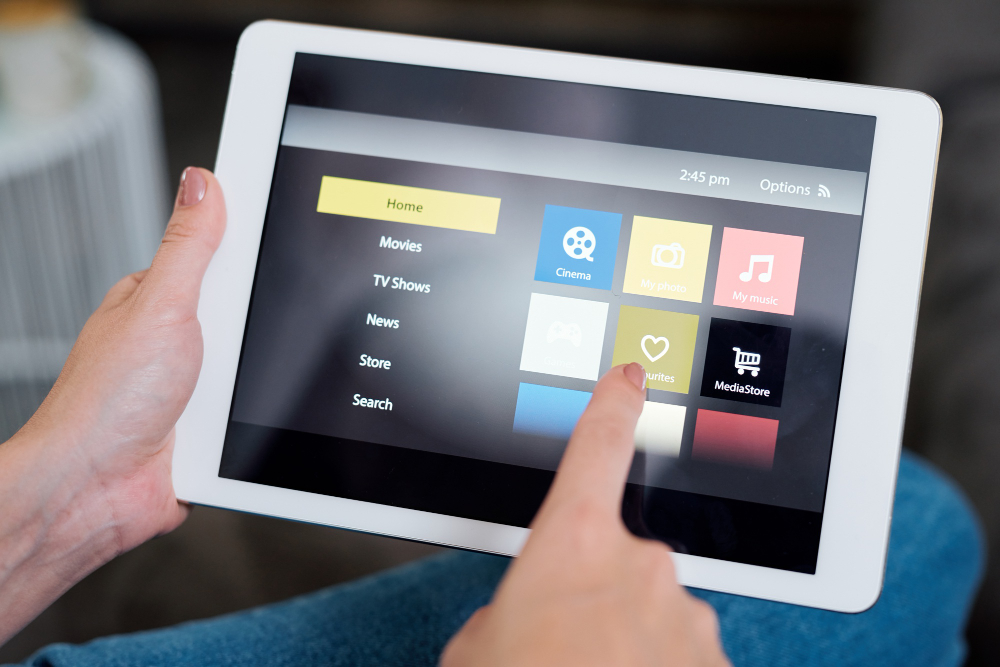
Smart displays, which combine voice-controlled virtual assistants with visual screens, are becoming increasingly popular in smart home setups. While they offer convenience and enhance interactivity, there are several reported issues that users should be aware of. Below, we’ll explore common concerns and provide tips on what to look out for when buying such products.
1. Privacy Concerns
One of the most frequent concerns about smart displays revolves around privacy. These devices often feature microphones and cameras, enabling them to respond to voice commands and facilitate video calls. However, their constant listening capabilities raise worries about potential eavesdropping or unauthorized access. Users have reported feeling uneasy about the possibility that their conversations might be recorded without consent or that hackers could gain access to their camera feed.
What to Look Out For:
Look for smart displays with physical privacy shutters for the camera and mute buttons for the microphone. It’s also important to review the privacy policies of the manufacturers to understand how your data will be handled.
2. Security Vulnerabilities
Being internet-connected, smart displays are vulnerable to hacking, especially if they are not regularly updated with security patches. If compromised, these devices could serve as entry points into a user’s broader home network, putting other connected devices at risk.
What to Look Out For:
Ensure that the product you buy supports regular security updates and has strong encryption methods. Additionally, avoid default or weak passwords; instead, set a strong, unique password for your smart device. Devices that offer multi-factor authentication add an extra layer of protection.
3. Compatibility Issues
Another reported issue is the lack of seamless integration between different smart home ecosystems. Many smart displays are tied to specific platforms, and users may find it challenging to sync them with devices or services outside their brand ecosystem. This can limit functionality or require users to invest more in other products from the same brand to maintain compatibility.
What to Look Out For:
Opt for smart displays that are compatible with a wide range of smart home standards and devices. Look for certifications or mentions of compatibility with protocols such as Zigbee, Z-Wave, or Matter, which are becoming increasingly important in ensuring cross-brand interoperability.
4. User Interface and Usability
Although smart displays aim to offer an intuitive experience, some users have reported that the touch interfaces or voice recognition systems can be unreliable. Poor voice recognition can result in frustration when commands are misunderstood or ignored, while slow or unresponsive touchscreens diminish the usability of the device.
What to Look Out For:
Read reviews regarding the user experience of the device you are considering. Ensure the display has responsive touch capabilities and that the virtual assistant’s voice recognition is accurate and quick to respond. Devices that offer customizable settings for speech recognition or interface adjustments can enhance usability.
5. Over-Reliance on Cloud Services
Many smart displays are heavily dependent on cloud services for their functionality. This means that in the event of a service outage or poor internet connectivity, the device may lose much of its usefulness. Users have reported instances where devices become non-functional due to cloud issues.
What to Look Out For:
Consider devices that can function offline for basic features, such as controlling lights or other devices locally. Additionally, ensure your internet connection is reliable if the device you choose relies heavily on cloud integration.
Conclusion
Smart displays offer a unique combination of visual and voice-based control for smart homes, but they come with some risks and challenges. When buying a smart display, prioritize privacy and security features, check compatibility with other devices, and ensure it has a user-friendly interface. These considerations will help you make an informed purchase that enhances your smart home experience without compromising safety or convenience.