
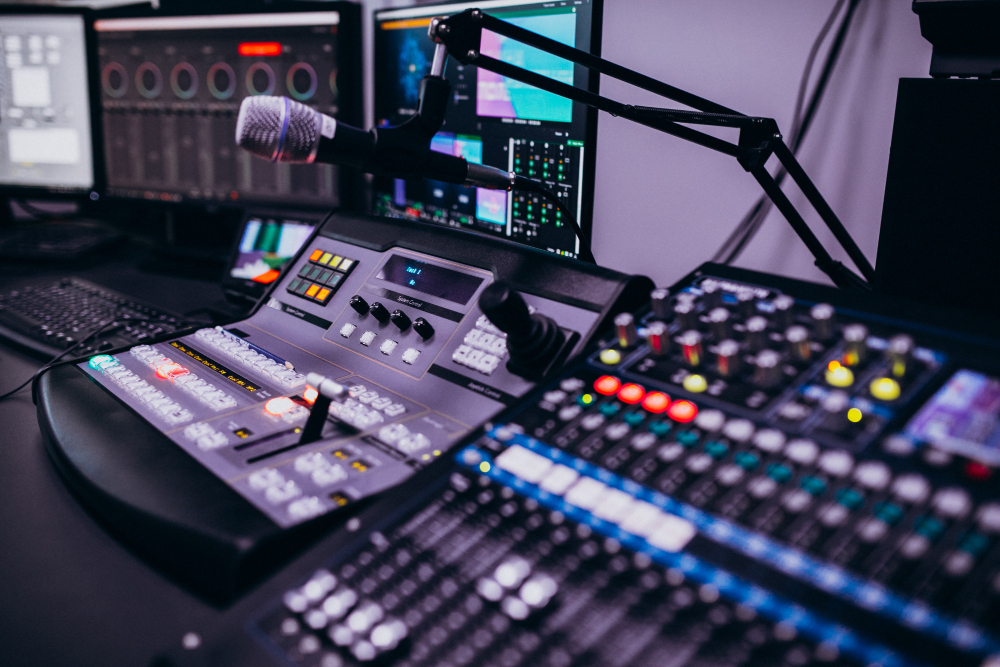
When buying audio equipment, it’s essential to consider various factors to ensure you get the best value for your money. The process involves understanding your needs, researching products, and evaluating key features.
1. Define Your Purpose: Begin by determining the primary use of the audio equipment. Are you looking for a home theater system, a setup for music production, or a portable speaker for casual listening? Your needs will dictate the type of equipment you should focus on. For instance, a home theater requires a receiver and multiple speakers, while a portable setup might only need a Bluetooth speaker.
2. Budget Considerations: Set a realistic budget. Audio equipment can range from affordable to very expensive, so it’s crucial to balance quality with what you can afford. Remember that more expensive does not always mean better; the key is to find equipment that offers good performance for its price.
3. Research and Reviews: Once you have identified your needs and budget, research the available options. Look for reviews from credible sources, both professional reviews and user feedback. This will give you a sense of the product’s strengths and weaknesses. Pay attention to long-term reliability, as durability is crucial for getting value for money.
4. Key Specifications: Evaluate the technical specifications of the equipment. For speakers, consider the frequency response range, which indicates the range of sounds the speaker can produce. A wider range usually means better sound quality. For amplifiers, check the wattage and impedance, which affect power output and compatibility with speakers. High Total Harmonic Distortion (THD) in amplifiers can indicate poor sound quality, so look for lower THD percentages.
5. Compatibility and Future-Proofing: Ensure the equipment you purchase is compatible with your existing devices. For example, if you are buying a new set of speakers, make sure your amplifier can drive them adequately. Additionally, consider future-proofing your setup by choosing equipment with features like High-Definition Multimedia Interface (HDMI) pass-through, Bluetooth, or Wi-Fi connectivity, which will keep your setup relevant as technology evolves.
6. Brand Reputation and Warranty: Invest in reputable brands known for quality and reliability. Well-established brands often provide better customer support and warranties. A good warranty is a sign that the manufacturer stands by their product, which adds value to your purchase.
7. Listening Test: If possible, test the equipment before buying. Sound quality is subjective, so it’s important to choose what sounds best to your ears. Visit a store and compare different models within your budget.
By following these steps, you can make an informed decision and ensure that you get the most value for your money when purchasing audio equipment.